

Artificial intelligence (AI) is changing the way we work, but it’s also changing the way cybercriminals operate.
Rather than creating an entirely new category of cybercrime, AI is making familiar tactics, like phishing, impersonation, and social engineering faster, more convincing and easier to execute at scale. Cybercriminals can use AI to mimic writing styles, create realistic messages, and even clone voices, making it increasingly difficult to distinguish a legitimate request from a fraudulent one.
For small businesses, that evolution matters. Many don’t have dedicated cybersecurity teams or extensive resources to monitor emerging threats, leaving employees as one of the most important lines of defense. Now, agents are seeing the impact firsthand.
According to the August 2026 Nationwide Cybersecurity Survey Report, 52% of agents have observed an increase in claims related to generative-AI scams or fraud attempts in the past 12 months. Yet only 51% believe their clients are prepared to identify and respond to AI-powered cyber threats. These staggering statistics showcase the opportunity to gain more confidence in your agency and for your clients as cybersecurity evolves.
A Cyber Knowledge Gap Remains
The challenge isn’t simply that cyber threats are becoming more sophisticated. Many businesses still don’t fully understand their exposure or how cyber insurance can help.
The same report from Nationwide found that 76% of agents say many clients are unaware of their exposure to cyberattacks, while 74% say many clients aren’t sure what cyber insurance covers. At the same time, 90% of agents say clients view them as a credible source of cybersecurity information. That’s a significant opportunity for independent agents.
Cyber can be a difficult topic to bring up, but these conversations don’t have to begin with a policy. They can begin with a few practical questions:
- What would happen if your business couldn’t access its systems for several days?
- How would an employee verify an unusual payment or wire request from an owner or executive?
- When was the last time employees received phishing or cybersecurity training?
- Does your business have a written incident response plan?
- When was your cyber insurance coverage last reviewed?
Those questions can open the door, uncover vulnerabilities a client may not have considered, and create a natural opportunity to talk about both risk prevention and insurance.
Cyber Preparedness Is More Than Technology
Firewalls and antivirus software remain important, but technology alone isn’t a complete cyber strategy. Strong cybersecurity practices can include multifactor authentication, employee training, regular software updates, data backups, and an incident response plan. Just as importantly, businesses should know who to contact and what steps to take if and when something goes wrong.
Cyber insurance can be another component of that strategy, helping organizations recover from covered events and access resources when an incident occurs. But as the risks change, agents should also help clients understand what their individual policies cover, particularly when it comes to exposures such as ransomware, social engineering, business interruption, and emerging AI-related threats.
OIA’s existing cyber resources emphasize the importance of understanding an organization’s Cyber and E&O coverage and taking advantage of carrier resources such as risk assessments, training programs, and incident response tools.
Don’t Wait for a Cyber Incident to Start the Conversation
The best time to identify a cyber coverage gap isn’t after a client’s systems are locked or money has disappeared. Being proactive is key.
As AI makes cyber scams more sophisticated, independent agents have an opportunity to help clients stay one step ahead by asking better questions, reviewing protection regularly, and connecting clients with the right resources.
Cyber threats may be changing quickly, but one thing hasn’t changed: clients still need a trusted advisor to help them understand their risk.
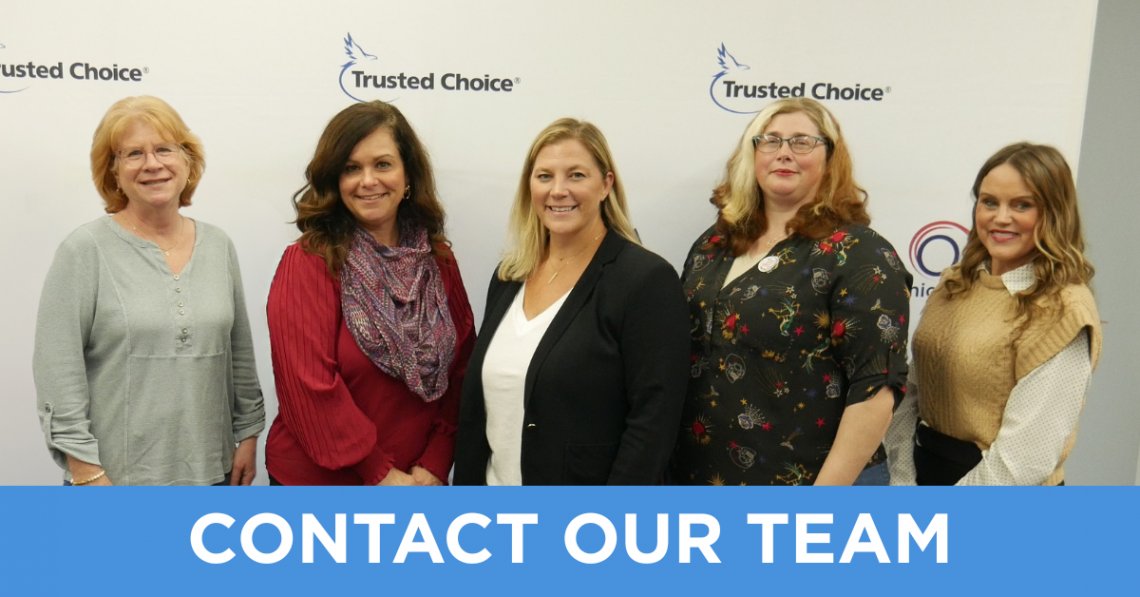
Strengthen Your Defense
OIA and Arlington/Roe & Co., Inc. have partnered to offer our members an exclusive program to help protect agencies from information security breaches. Agencies with a Beazley cyber policy also have access to their risk management resources for added support.
To learn more about our cyber program, visit our website or contact us at (800) 555-1742. Our team with over 50 years of combined experience in E&O and Cyber services will be happy to help!
About the Author
 Ashley Riley is the Director of Risk Management for Ohio Insurance Agents. She is responsible for helping independent agents protect one of their most significant assets: their businesses. Ashley is a seasoned professional with two decades of invaluable experience in the insurance industry with a track record that spans claims handling, underwriting, and adeptly leading the Agency Services team at OIA.
One of Ashley’s distinctive contributions is empowering independent agents to fortify their agencies against potential risks. Through knowledge, mentorship, and an understanding of the insurance landscape, Ashley has become a reliable ally for those navigating the complexities of risk management. Ashley’s professional philosophy is rooted in a passion for safeguarding clients’ interests. This attitude ensures the protection of assets and fosters enduring relationships with clients and colleagues alike.
Ashley graduated from The Ohio State University with a bachelor’s degree in risk management. She and her family currently reside in Gahanna; outside of work and spending time with her family, she enjoys traveling, cooking, and reading.
Sources: